

Mental Health Access in America
Make America Grow Again Series | Segment 10 - Government Mental Health Crisis Hidden in Plain Sight: Barriers, Failures, and Bold Reforms to Save Lives in 2026

You ever notice how we treat our minds like that junk drawer in the kitchen, full of tangled wires, old batteries, and receipts from 1999 that we swear we’ll sort out someday? Instead of cleaning it, we slam it shut and hope nothing spills out. That’s America’s mental health system: a carnival maze where you have to win the lottery just to talk to someone who won’t ghost you or deny your claim. It’s absurd that feeling human has become a luxury item locked behind red tape and fine print.
Mental Health Access is the forbidden fruit in the Garden of Eden: it's tempting, necessary for survival, and guarded by a flaming sword of bureaucracy, greed, and bullshit excuses? We’ll spend billions on Viagra knockoffs and weight-loss miracles, but if your soul’s screaming for help, it’s “Sorry, pal, that’s not covered—have you tried yoga?” It’s all a giant con! We pretend we’re the greatest nation on Earth, yet we let millions drown in silent despair because “personal responsibility” apparently means suffering alone while corporations count their cash. This isn’t freedom; it’s a rigged game where feeling human is a pay-to-play feature..
The Hidden Crisis: Access Denied
Let’s cut the crap: 23.4% of U.S. adults—over 61 million people—experienced mental illness in 2024, per NAMI and Mental Health America’s latest data. That’s more than one in five adults carrying invisible weight—your neighbor, coworker, kid’s teacher, maybe you. Serious mental illness hits about 5.6%, yet only around half get any treatment at all.
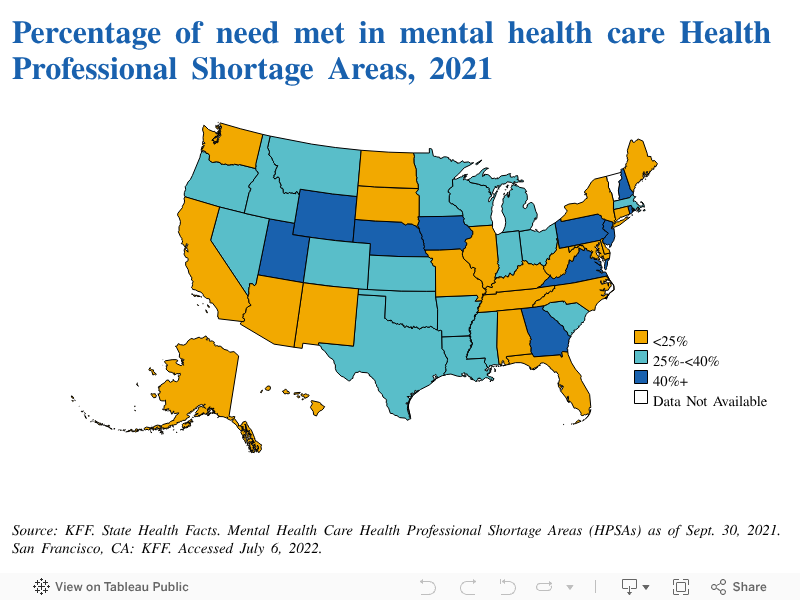
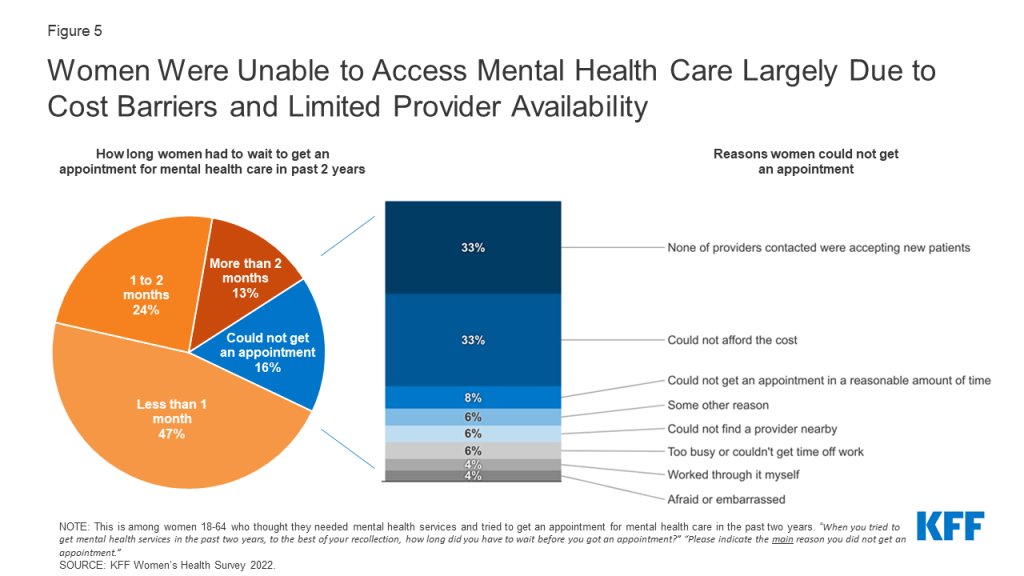
The barriers are deliberate. Cost leads—therapy at $150–$300 out-of-pocket when insurance vanishes. Nearly 40% don’t know where to start. Stigma exists, but the sabotage is structural: huge swaths of Americans live in mental health professional shortage areas, and wait times for psychiatry average weeks to months, worse in rural zones. ERs become holding cells. This isn’t accident—it’s engineered deterrence that keeps millions from ever getting help.
Who Controls the System: Money, Not Care
Follow the money to the usual overlords. The health insurance market is an oligopoly: 97% of metropolitan markets were “highly concentrated” in 2024, per the AMA’s 2025 report. Giants like UnitedHealth dominate, treating mental health as a cost to minimize.
Their playbook is ruthless. “Ghost networks” lead: directories packed with unreachable or nonexistent providers. A 2025 OIG report exposed massive inaccuracies in Medicare Advantage and Medicaid plans. Reimbursement rates are so insulting that only 62% of psychologists accept any insurance, per APA’s 2025 survey—down from prior years. Prior auths and denials turn care into attrition warfare. Profits soar while patients break.

AI: Amplifier of Barriers, Not a Solution
Tech bros pitch AI chatbots as the scalable savior for therapist shortages—always-on, cheap. In theory, AI could triage or screen effectively. In unregulated reality? It’s risky as hell. Most lack clinical validation, privacy, or accountability, and states are passing laws requiring oversight, disclosures, or restrictions amid rising concerns in 2025–2026.
Biased algorithms worsen disparities, generic advice misses crises, and intimate data turns into profit. We’re trading human empathy for venture-backed code that can’t truly connect or be sued meaningfully. Until mandatory trials, bias audits, and guardrails exist, AI isn’t democratizing care—it’s widening gaps for the vulnerable.



The Numbers Tell the Real Story
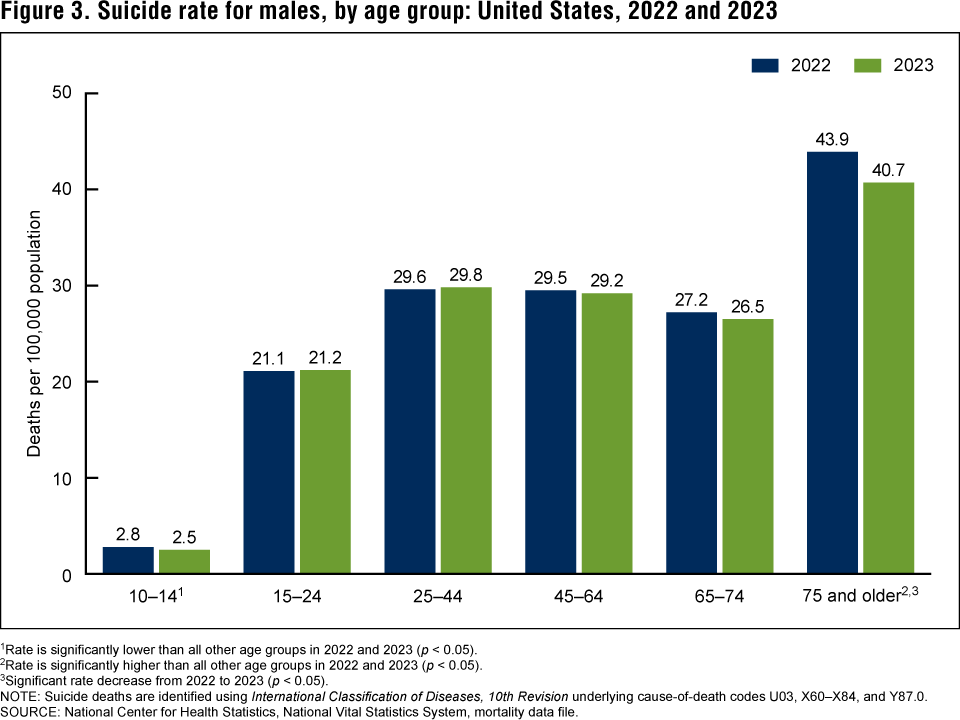
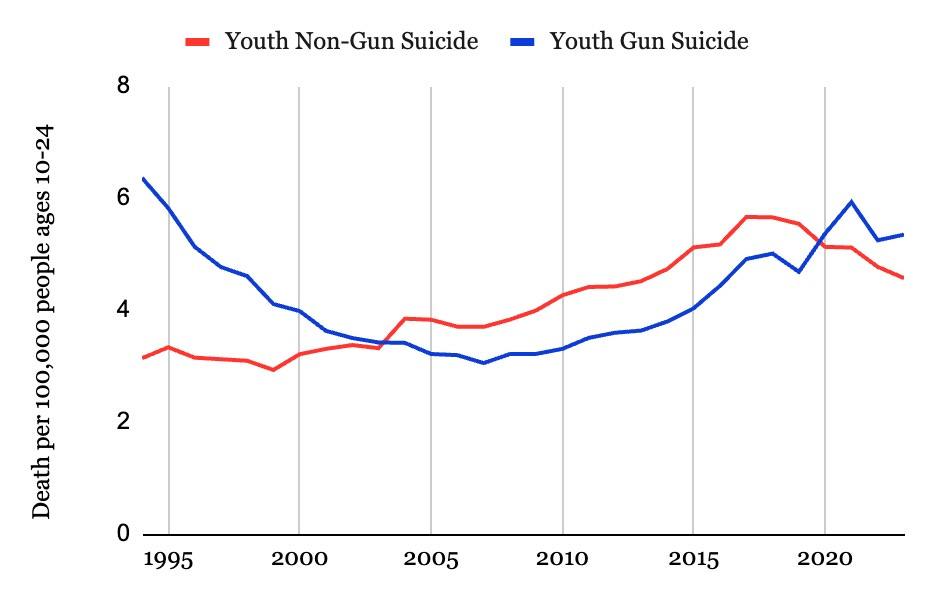
Stats slice through excuses: less than half of adults with mental illness receive treatment. Suicide rates dipped slightly in 2024 to 13.7 per 100,000, per CDC provisional data, but remain historically elevated—tens of thousands dead annually, many preventable.
Delays from symptoms to treatment span years. Spending rises, outcomes stagnate—money fuels denials, not delivery. Youth and marginalized groups suffer worst. This isn’t random; it’s policy failure made measurable.
Real Fixes, Not Band-Aids
We know solutions exist: Sweden, Luxembourg, and Norway consistently rank highest for integrated universal care—better access, lower stigma, controlled costs.
Straightforward roadmap:
Expand Medicare/Medicaid to universal mental health coverage—no copays, no games.
Enforce parity with real fines for ghost networks and violations.
Mandate AI safeguards: trials, audits, privacy.
Invest upstream: school counselors, community clinics, workplace programs.
This isn’t radical—it’s what civilized nations deliver. Prioritize people over profit.
It’s Not Compassion That’s Lacking. It’s Access
Your mind breaking is human. Yet we let profiteers turn survival into a subscription service.
If we want to actually start to improve Mental Health access, the gaslighting with awareness ribbons while the system stays rigged. We subsidize billionaires and wars, but therapy without bankruptcy is “unaffordable”? Moral bankruptcy. Until we demand universal access, real regulation, and accountability, we’re complicit in every preventable tragedy. America… fix the system or quit pretending we care. Discomfort is where change begins.
(If this hit hard, good. Subscribe at rxansmith.substack.com for more raw truth. Watch the video breakdown at YouTube.com/@RealRxanSmith. Share it—growth starts with facing the uncomfortable.)
Connect With Rxan Smith
Substack:

Connect With Rxan Smith Across the Web
📺 YouTube🐦 X (Twitter)📸 Instagram (Main)📸 Instagram (Alt)🧵 Threads (Main)🧵 Threads (Alt)📘 Facebook☕ Buy Me a Coffee💰 PayPal🎭 Patreon
The Complete Series — All 25 Episodes
rxansmith.substack.com · YouTube: @RealRxanSmith · X: @rxannsmith
— Rxan Smith
Uncomfortable
Making America Grow Again, One Uncomfortable Truth at a Time

This is really important work. I am super passionate about making mental health care accessible. I do think AI has a role in this—but we have a ways to go in creating ethical bots and determining the limitations of what they can provide. I also believe the intitatives should never be profit driven, only values driven. A challenging stance in America, lol.
There’s something quietly devastating about how you map the distance between policy on paper and care in real lives. The way you trace each barrier feels like following a patient through a maze where every wrong turn costs time, money and a little more trust in the system.