


Clinton-Proof Our Party
The Opening Rule
Imagine the spotlight hits. The desk gleams. The audience already senses incoming trouble. The premise is simple:
If Democrats want to stop losing winnable elections, they must confront the political baggage they refuse to retire.
Not quietly. Not politely. Publicly. Decisively.
Because political parties don’t just lose elections from opposition strength. They lose when they refuse to update their own operating system.
This Substack is reader-supported. To receive new posts and support my work, consider becoming a free or paid subscriber.
The Dynasty Problem
American voters claim to reject monarchy — yet repeatedly tolerate political dynasties. The Clinton era represents one of the most influential and controversial chapters in modern Democratic politics.
Supporters view the Clintons as pragmatic centrists who stabilized the party in the 1990s. Critics argue they reshaped Democratic identity around institutional power, triangulation politics, and elite credibility rather than populist trust.
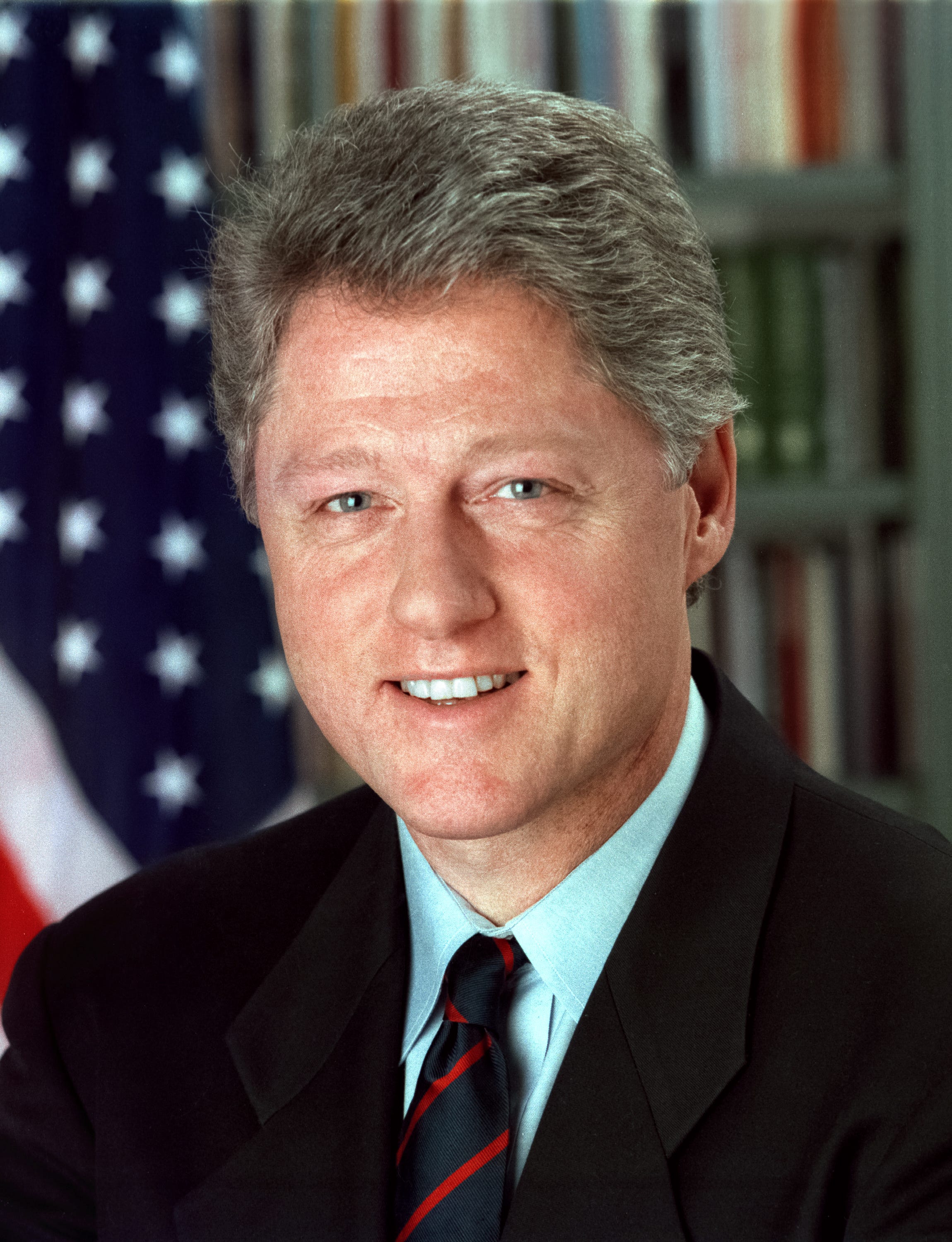
The argument isn’t simply about scandal. It’s about narrative accumulation — decades of controversies that hardened public distrust.
Whitewater investigations
Impeachment proceedings
Personal misconduct scandals
Persistent conspiracy ecosystems
Fairly or unfairly, political perception eventually becomes political reality.
Hillary Clinton and Institutional Trus

Hillary Clinton’s political rise reflected competence, preparation, and establishment confidence. Yet it also exposed a widening cultural gap between party leadership and voter sentiment.
Key controversies amplified distrust narratives:
Travel Office firings (“Travelgate”)
FBI file controversy (“Filegate”)
Benghazi investigations
Private email server scrutiny
Individually survivable. Collectively corrosive.
Political damage rarely comes from a single scandal. It comes from repetition that confirms existing suspicions.
2008: A Warning Ignored
Barack Obama’s primary victory over Hillary Clinton was more than an upset. It was a signal.
Voters prioritized authenticity and forward momentum over political inevitability. The electorate demonstrated fatigue with dynastic succession politics.
The lesson appeared obvious at the time: renewal beats entitlement.
The party learned it temporarily — then forgot it.
2016: When Perception Became Consequence
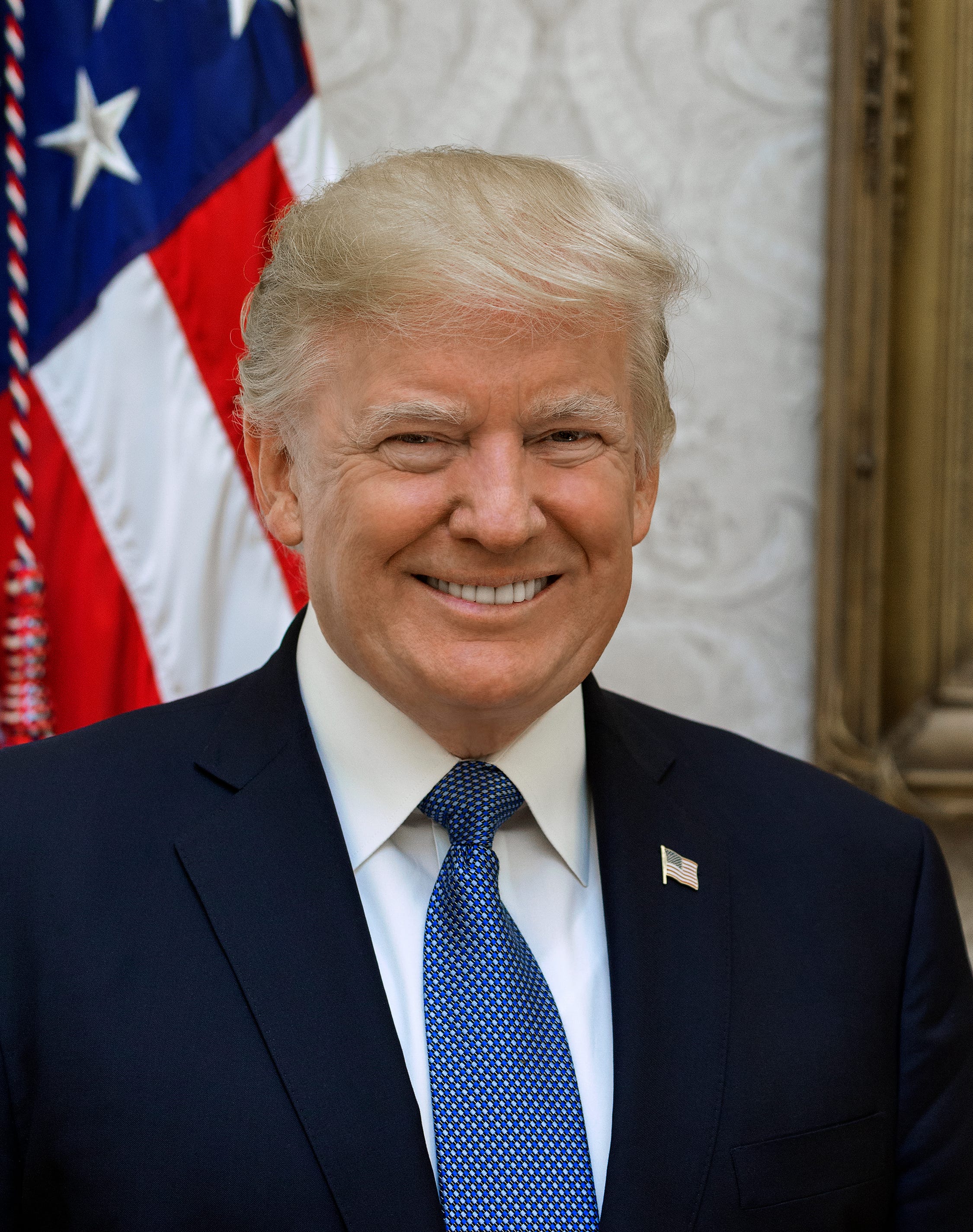
The 2016 election became less about ideology and more about trust.
Running an establishment figure against an anti-establishment candidate created a symbolic contrast that overshadowed policy differences entirely.
Populist anger met institutional continuity
Voter frustration met political familiarity
Outsider energy defeated insider confidence
The result shocked party leadership but aligned with long-building voter sentiment.
The Larger Argument: Parties Must Self-Correct
The deeper claim isn’t anti-Clinton. It’s anti-stagnation.
Political parties survive only when they demonstrate the ability to retire dominant figures voluntarily rather than waiting for electoral punishment.
A party that cannot criticize its own icons eventually loses the credibility to criticize anyone else.
This applies universally:
Democrats confronting legacy power structures
Republicans confronting personality cult politics
Voters demanding accountability across factions
America’s Structural Moment
The country faces challenges that dwarf individual politicians:
Climate instability
Housing affordability crises
Institutional distrust
Economic concentration and oligarchic influence
These problems require coalition politics rather than dynastic loyalty.
Reform becomes possible only when parties prove they can evolve faster than public frustration.
The Finale
If political movements want renewal, they must demonstrate independence from their past heroes.
Look, I love this country – warts, guns, and all. But America is in dire need of revolutionary-level change. We’re talking seismic shifts: Fix the climate before Florida becomes Atlantis, house the homeless instead of building more McMansions, and maybe – just maybe – stop electing dynasties like we’re still in feudal Europe. But that change? It only happens with bipartisan cooperation. No more tribal bullshit; we’ve got to hold hands across the aisle and throw off the shit standing right in front of us – the oligarchs, the family fiefdoms, the icons who’ve outstayed their welcome.
Democrats, you’re in an identity crisis: Cannibalize your own sacred cows, or keep losing. Be the first party to openly execute – metaphorically, folks, put down the pitchforks – your deplorable icons. Shame them while calling out the voters who enabled them. Do that, and you’ll set a precedent: Once Trump’s out, people will back candidates who actually value the people’s ideals in 2028. Not more dynasties, not more scandals. Stand up, Democrats! Tell the Clintons: “We’re going live on TV now – you are never going to haunt us again. Go away. We don’t want you to speak. Go away.” Because if you lead by example, the Republicans might follow, and who knows? We could actually fix this mess together
Not erasure. Not denial. Accountability.
The future of American politics may depend less on defeating opponents and more on whether parties can confront their own mythology.
Because voters don’t just choose leaders.
They choose whether a party feels finished — or finally ready to begin again.
This Substack is reader-supported. To receive new posts and support my work, consider becoming a free or paid subscriber.


