


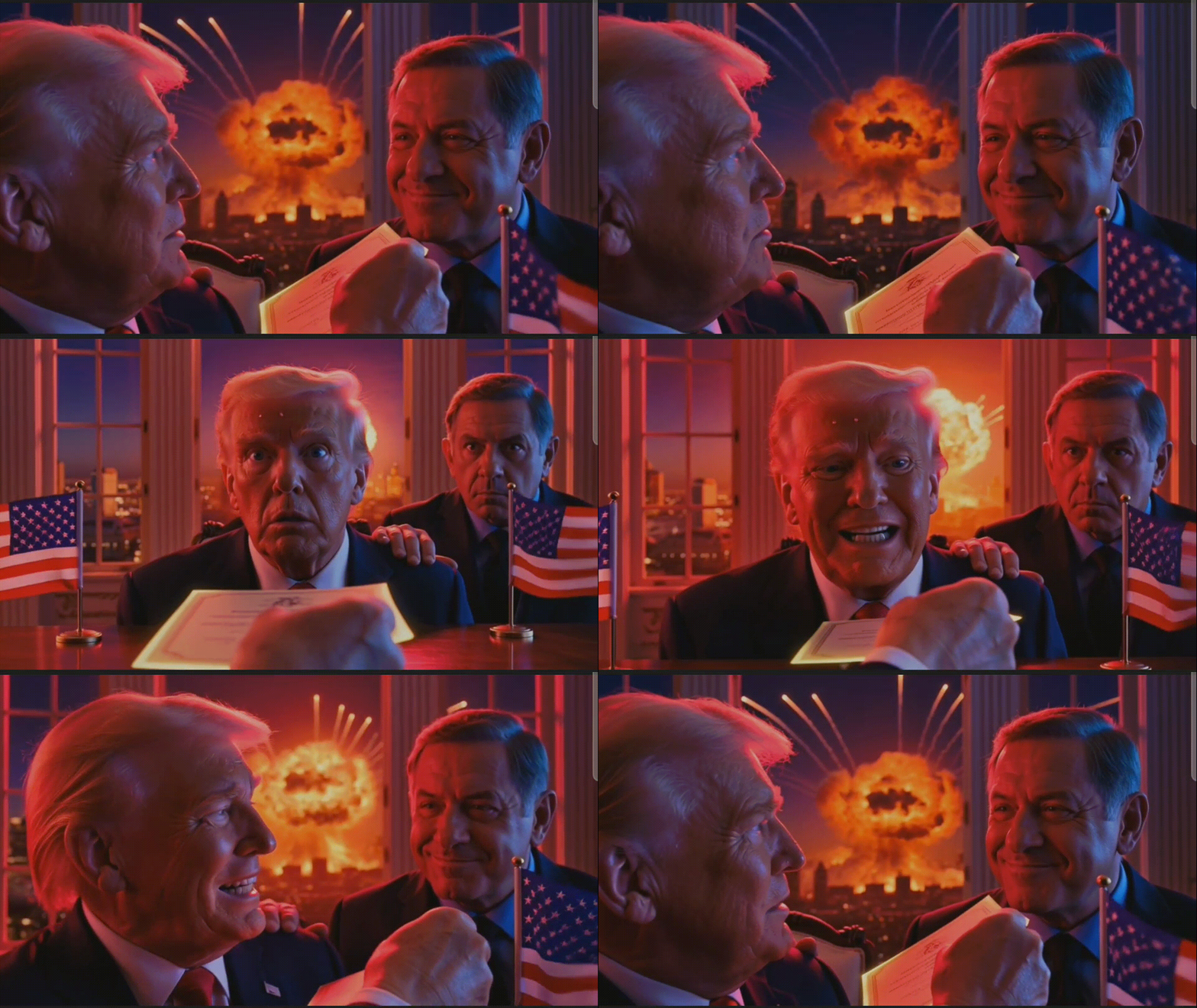
America has provided more inflation-adjusted aid to Israel than to any other country in modern history - over $300 billion since 1948 according to the Congressional Research Service.
We provide $3.8 billion annually under the current Memorandum of Understanding running through 2028. After October 7th, 2023, Congress approved an additional $14.5 billion in emergency military aid.
We supply Iron Dome interceptors. F-35 fighter jets. Precision-guided munitions. Intelligence support. At the United Nations Security Council, the United States has used its veto dozens of times to block resolutions critical of Israel.
The question is not whether Israel has value to American security.
The question is whether the relationship functions like an alliance — or something else.
THE INTELLECTUAL HONESTY TAX
Before defining what an ally is, several baseline truths must be acknowledged.
Hamas is designated a terrorist organization by the United States, the European Union, Egypt, and Jordan.
The October 7, 2023 attacks killed approximately 1,200 people and resulted in 251 hostages. It was a terrorist attack.
Authoritarian theocratic governance structures across the region — including in Iran and under the Taliban in Afghanistan — systematically suppress women’s rights and civil liberties.
Recognizing those facts does not preclude criticism of Israeli government policy. It establishes credibility for having the conversation at all.
The International Covenant on Civil and Political Rights contains no religious exemption. Democratic accountability standards should not either.
WHAT AN ALLY IS
The word “ally” is often used rhetorically. Strategically, it implies obligations.
A functional alliance between sovereign states typically includes:
Shared risk in security crises. Allies deploy tangible resources — including personnel — when collective security is threatened.
Respect for executive directives. When U.S. forces or credibility are implicated, allied governments coordinate rather than openly defy.
Proportional burden-sharing. Either through cost-sharing, troop commitments, or measurable strategic return.
Escalation restraint. Behavior that reduces the probability of dragging the United States into unintended regional wars.
By that definition, countries such as the United Kingdom, South Korea, Poland, and other NATO members qualify clearly.
SHARED RISK: THE TROOP QUESTION
After September 11th, 2001, the United States invoked Article 5 of the NATO treaty for the first time in history.
The United Kingdom deployed forces to Afghanistan and Iraq. Australia deployed forces. Poland deployed forces. South Korea deployed forces despite maintaining a live armistice on its own peninsula.
Israel did not deploy troops to Afghanistan. It did not deploy troops to Iraq.
Intelligence cooperation existed. Joint weapons development existed. But shared expeditionary liability did not.
The Brown University Watson Institute’s Costs of War Project estimates U.S. post-9/11 war spending at over $8 trillion.
The financial and human burden was borne almost entirely by American forces and NATO partners.
INDUSTRIAL LIMITS
Modern alliance commitments are not abstract moral gestures. They draw from a finite industrial base.
The Pentagon has repeatedly warned about munitions stockpile depletion as aid flows simultaneously to Ukraine, Israel, and Taiwan.
Every interceptor shipped abroad must be manufactured, replaced, and budgeted. The U.S. defense industrial base contracted significantly after the Cold War and has struggled to scale rapidly.
Simultaneous commitments require strategic prioritization. That is not sentiment — it is logistics
UNITED NATIONS VETO
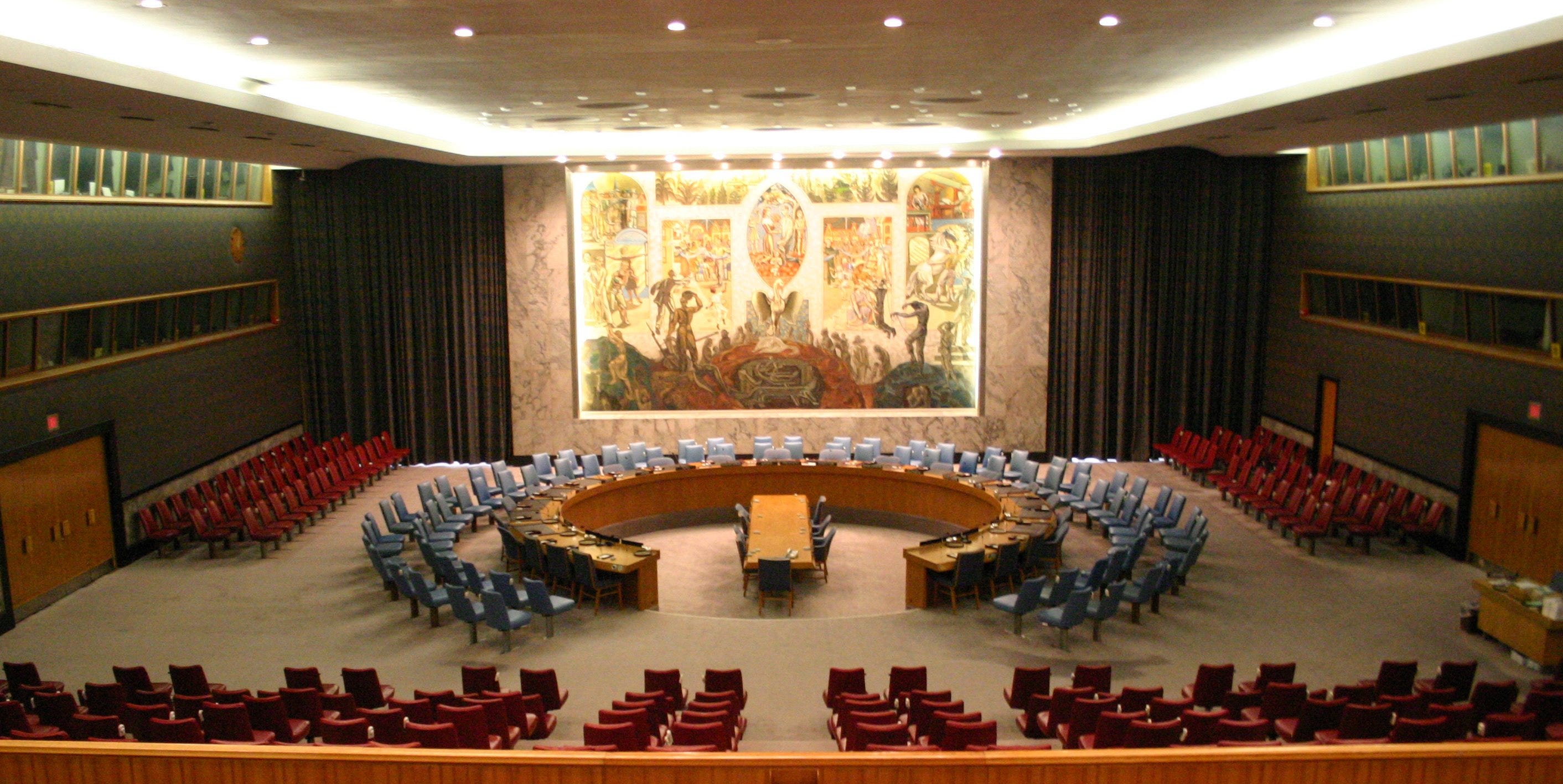
The United States has exercised its veto power in the United Nations Security Council dozens of times on resolutions critical of Israel.
Veto use is a sovereign right. But repeated shielding carries diplomatic costs, particularly when the same standards are applied differently across cases.
THE ALLIANCE MATH
Israel provides high-level intelligence cooperation and missile-defense innovation. That is real strategic value.
The question is whether that value justifies exemption from the baseline alliance standards applied to every other partner.
Is intelligence cooperation alone equivalent to shared battlefield liability?
Is technological collaboration equivalent to escalation restraint?
Should a security partner receiving $3.8 billion annually be treated as structurally exempt from conditionality?
VIDEO CONTEXT
For additional context on U.S. military aid flows and congressional reporting, this breakdown from the Council on Foreign Relations offers a data-driven overview:
CONCLUSION: THE STANDARD
This is not an argument for abandonment.
It is an argument for definition.
If the United States maintains a four-point standard for alliances — shared risk, directive respect, burden-sharing, escalation restraint — that standard must apply universally.
Allies operate within mutually agreed parameters.
If a partner meets the standard, the relationship strengthens.
If a partner does not, recalibration is not hostility. It is governance.
In Part II, we address the conversation America never had after September 11th — and why avoiding it may be costing more than acknowledging it ever would
You built an entire “universe” and now you want clean launch codes instead of digging through your own bios like an archaeologist. Fair. Let’s make this frictionless.
.
The Rxan Smith Universe
Video & Longform
YouTube:
https://youtube.com/@RealRxanSmith
Fast Takes & Debate Fuel
X (Twitter):
https://x.com/rxannsmith
Threads (Main):
https://threads.net/@rxansmith
Threads (Alt):
https://threads.net/@smithrxan
Community + Visuals
Instagram (Main):
https://instagram.com/rxansmith
Instagram (Alt):
https://instagram.com/smithrxan
Facebook:
https://facebook.com/Ryan.X.Smith
Short-Form Video
TikTok:
https://tiktok.com/@rxansmith
Support the Mission
Patreon:
https://patreon.com/rxansmith
Buy Me a Coffee:
https://buymeacoffee.com/rxansmith


