

The Unseen Victory: How 9/11's Shadow Fractured America
Did the Terrorists Really Win? A Wake-Up Call on the 24th Anniversary

By Rxan Smith September 11, 2025
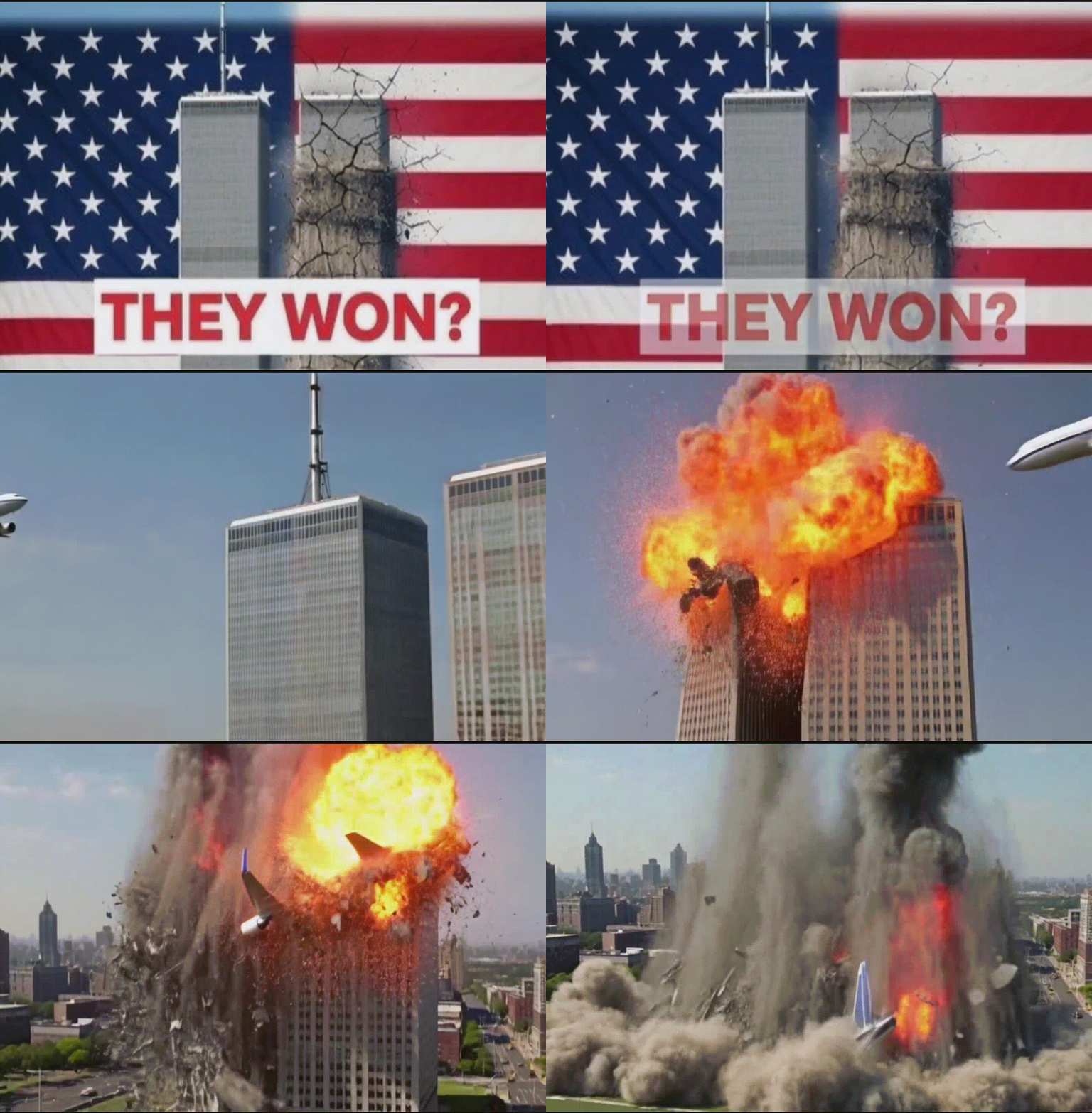
On this somber anniversary, as the sun rises over a nation still scarred by the events of 24 years ago, it’s impossible not to reflect on the immediate horror of that day: the planes slicing into steel, the towers crumbling like sandcastles, the lives extinguished in an instant. Nearly 3,000 souls lost in New York, Washington, D.C., and a Pennsylvania field.
But the true measure of September 11, 2001, isn’t just in the rubble or the memorials—it’s in the invisible fissures that have cracked our society ever since. What began as a moment of unprecedented unity has devolved into a chasm of division, an echo chamber of outrage where extremes thrive and common ground erodes.
In this fractured America, one uncomfortable truth emerges: the terrorists, led by Osama bin Laden, may have won after all—not through immediate destruction, but through a slow, insidious unraveling that has weakened us from within.
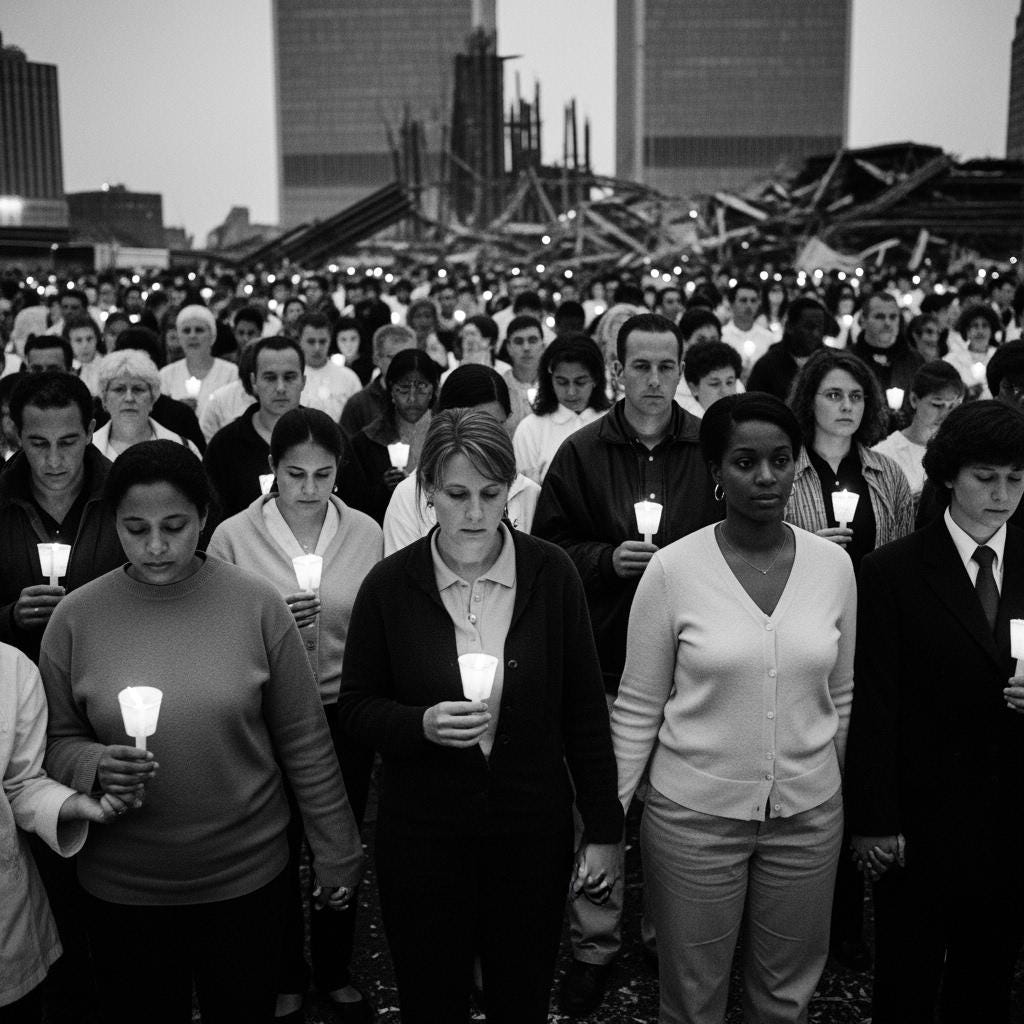
In the days following the attacks, President George W. Bush stood amid the wreckage and urged the nation to unite:
“Terrorist attacks can shake the foundations of our biggest buildings, but they cannot touch the foundation of America.” - President G.W. Bush
He called for resilience, for getting back to daily life as a defiant act against fear. And for a brief, shining moment, we did. Flags waved from every porch; blood donation lines stretched around blocks; approval ratings for Bush soared to 90 percent. Even partisan divides seemed to dissolve—Democrats and Republicans linked arms in Congress, singing “God Bless America” on the Capitol steps.
A Pew Research Center survey from that period captured the sentiment: Americans felt a profound sense of togetherness, with trust in government spiking and a collective resolve to stand strong.
But unity proved fragile, a thin veneer over deeper fractures. Almost immediately, the response sowed seeds of discord.
Take Bill Maher, host of the aptly named Politically Incorrect. Just days after the attacks, Maher remarked that, whatever else one could say about the hijackers, they were not cowards. The comment was provocative, blunt, and in line with the very ethos of his show. Yet ABC swiftly canceled him.
The irony still lands like a brick: Maher was canceled for being politically incorrect on a show literally called Politically Incorrect. It revealed a new national mood—one where dissent, even when abrasive or uncomfortable, was treated not as free expression but as disloyalty.
That climate of fear and conformity extended well beyond television. The Patriot Act, rushed through Congress in October 2001 with minimal debate, vastly expanded surveillance powers, eroding civil liberties in the name of security. The legislation sparked fierce debates that polarized the public, and later revelations of NSA wiretapping deepened mistrust.
The wars that followed amplified the divide. Invading Afghanistan in 2001 to dismantle al-Qaeda enjoyed broad support, but the 2003 Iraq War—predicated on faulty intelligence linking Saddam Hussein to 9/11 and weapons of mass destruction—fractured it.
Bush claimed Iraq harbored al-Qaeda, a connection 66% of Americans believed in 2002, though later disproven. The conflict, unrelated to the attacks, cost over $8 trillion combined with Afghanistan, killed hundreds of thousands, and left U.S. credibility in tatters. Abu Ghraib's abuses and Guantanamo's indefinite detentions further split opinion, turning post-9/11 patriotism into partisan rancor.
Osama bin Laden, from his Afghan hideouts, had foreseen this. In statements and interviews, he outlined a strategy not of conquest but attrition: provoke America into overextending militarily, draining its economy, eroding its morale, and tarnishing its global image. He drew parallels to the Soviet Union's Afghan quagmire in the 1980s, predicting the U.S. would “bleed” itself dry. And in many ways, he was right.
Military Overextension: The Endless Wars
The U.S. plunged into two decades of "forever wars," expending trillions and losing over 7,000 service members. The 2021 Afghanistan withdrawal, chaotic and humiliating, underscored failure—69% of Americans now say the U.S. mostly failed there. Bin Laden's vision of exhaustion materialized as veterans returned to a nation skeptical of endless conflict.
The Economic Toll: Bleeding Dry
Economically, the toll was staggering. Direct costs from wars, homeland security, and intelligence ballooned the deficit. The 2008 financial crisis, exacerbated by wartime spending and deregulation under Bush—such as easing lending rules that fueled subprime mortgages—crippled the middle class.
From a budget surplus in 2000, national debt exploded to over $28 trillion by 2025, equivalent to roughly 100 times the wealth of the world's richest individual. Bin Laden's goal to force America to “spend more than it can afford” hit home.
Deepening Divisions at Home
Post-9/11 unity quickly fractured, with surveillance debates and anti-Muslim sentiment rising. Hate crimes against Muslims surged fivefold.
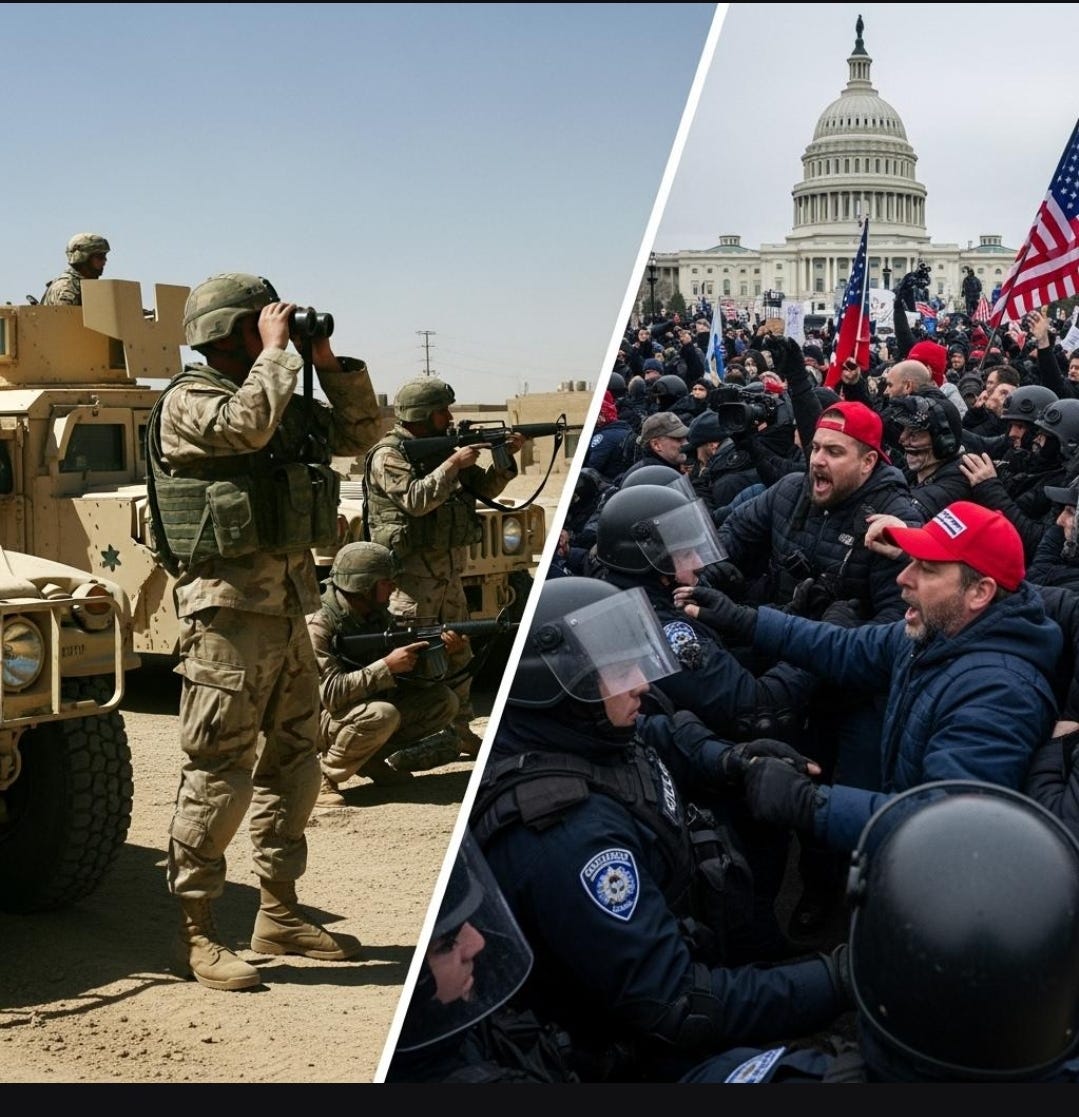
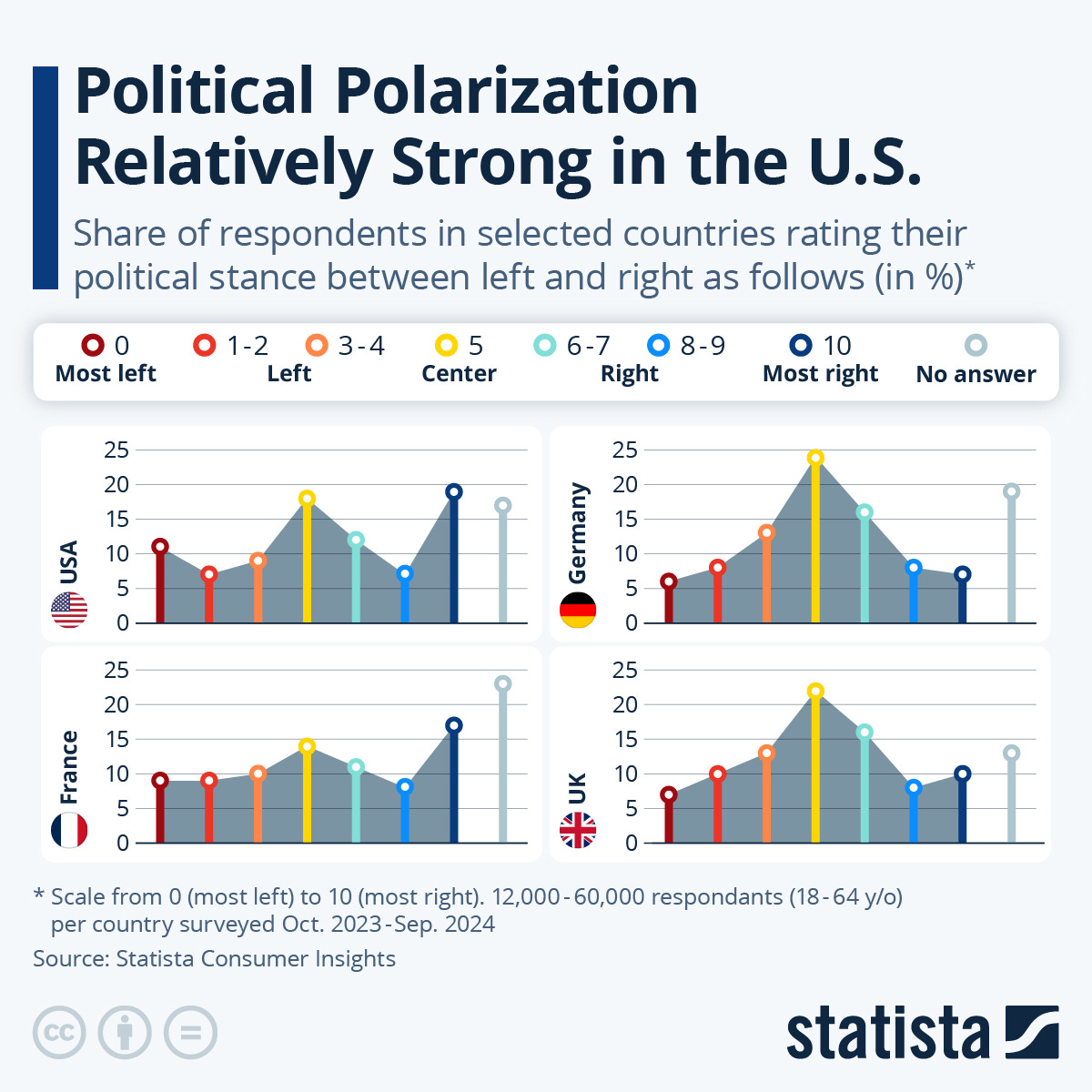
Polarization, already brewing since the 1970s, accelerated in the 2000s, with Republicans and Democrats drifting further apart on issues from foreign policy to civil liberties. By the 2010s, it reached historic highs, culminating in events like the January 6 Capitol riot—a stark symbol of internal strife.
A Tarnished Global Image
Globally, America's reputation declined. Interventions alienated allies; approval ratings plummeted under Bush. Bin Laden anticipated this, believing U.S. actions would rally anti-American sentiment.
The Rise of Social Media: Amplifying Echo Chambers
In the years following 9/11, the emergence of social media platforms transformed how Americans consume information and engage politically, exacerbating the divisions bin Laden hoped to exploit.
Platforms like Facebook (launched in 2004) and Twitter (now X, in 2006) arrived just as post-9/11 tensions simmered, creating digital spaces where users could curate their realities.
Algorithms designed to maximize engagement often prioritize sensational content, pushing users into ideological silos or “echo chambers” that reinforce biases and amplify outrage.
A 2021 Brookings report highlights how these tech giants fuel polarization by spreading misinformation and extreme views, with studies showing that exposure to opposing opinions on social media can paradoxically increase partisan hostility rather than bridge gaps.
Nuance lies in the dual nature: While social media democratized discourse, enabling movements like Occupy Wall Street or Black Lives Matter, it also propagated conspiracy theories about 9/11 itself and subsequent wars, deepening mistrust.
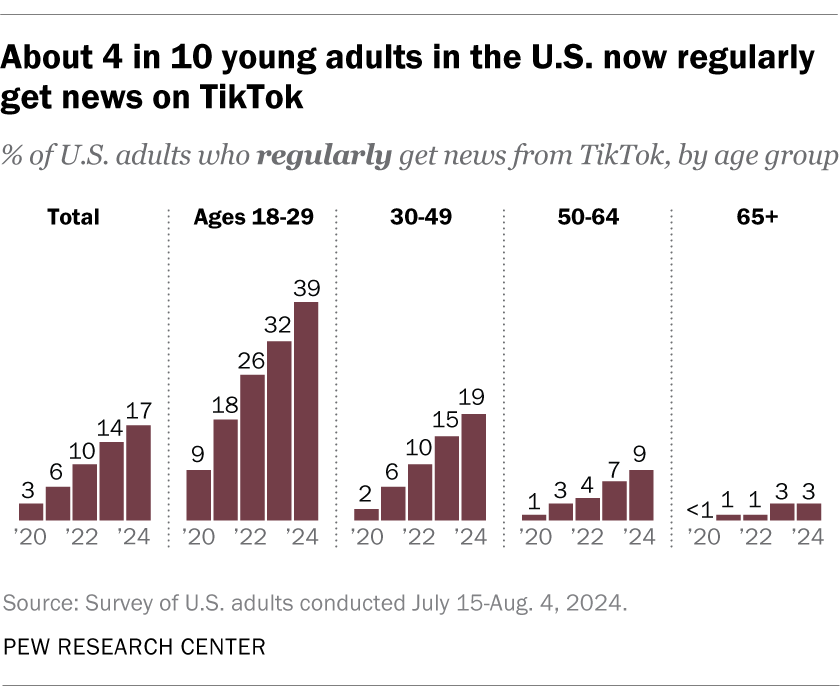
Pew Research in 2024 notes that platforms like TikTok and Instagram now serve as primary political news sources for younger users, where algorithmic biases heighten perceptions of division—misperceptions greatest among the most engaged, per Carnegie Endowment findings.
This digital fragmentation supports bin Laden's morale-erosion goal, turning national grief into perpetual conflict, as a systematic review in the Journal of Communication confirms social media's role in rising affective polarization since the early 2010s.
Erosion of Freedoms and Surveillance State Expansion
Another legacy of 9/11 has been the steady expansion of government surveillance and executive power.
The Patriot Act, initially sold as a temporary necessity, entrenched itself in American governance. Provisions allowing for roving wiretaps, “sneak and peek” searches, and bulk metadata collection became normalized.
Edward Snowden’s 2013 revelations exposed how far the surveillance state had grown, showing that the NSA collected data not just on suspected terrorists but on millions of ordinary Americans.
This reality fueled a bipartisan backlash, yet reforms have been piecemeal. The very liberties bin Laden claimed America betrayed in its overreaction continue to erode under the justification of security.
The Culture of Fear and Division
Perhaps the most profound consequence is the culture of fear that metastasized into division.
Bin Laden himself once gloated that Americans would “fear every plane in the sky.” For years, we did—air travel became synonymous with suspicion, endless security checks, and TSA theater.
But the fear extended further, exploited by politicians and media to entrench divides. “Security” justified wars, torture, and surveillance. It justified suspicion toward Muslim Americans, 99% of whom had nothing to do with terror yet bore the brunt of xenophobia.
As fear calcified into identity politics and partisan warfare, Americans began to view each other, not just foreign enemies, as existential threats. The fire bin Laden lit spread not only abroad but into the marrow of American civic life.
A Nation at War with Itself
The aftermath of 9/11 is thus not merely about terrorism—it’s about transformation.
From the Tea Party’s rise during Obama’s presidency, railing against government spending and surveillance, to Trumpism’s full-throated nationalism and the storming of the Capitol, the threads of division trace back to those early post-9/11 years.
It was then that America first learned to treat dissent as disloyalty, to mistake security for freedom, to embrace polarization as politics.
A 2024 Gallup poll found only 28% of Americans trust the federal government to do what is right—a near-record low. Faith in institutions, once soaring post-9/11, has cratered.
This is bin Laden’s true victory: not the towers falling, but the trust crumbling.
Did the Terrorists Win?
So, did the terrorists win?
If “winning” means inflicting mass casualties or conquering territory, no. America remains standing, powerful, wealthy, and influential.
But if “winning” means sowing division, bankrupting the nation, draining morale, tarnishing global reputation, and eroding freedoms—then yes, bin Laden achieved far more than he had any right to.
The fire was indeed lit in the Bush years, as America lunged headlong into wars and surveillance with little foresight. That fire has since spread, engulfing politics, culture, and trust itself.
A Warning for the Future
On this 24th anniversary, the lesson isn’t merely to “never forget.” It’s to recognize how quickly fear can corrode freedom, how easily unity can fracture into enmity, and how vulnerable even the strongest nation can be—not to bombs, but to its own divisions.
America still has a choice: to reclaim the unity we glimpsed in those candlelit vigils of 2001, or to continue stumbling down a path where terrorists don’t need to strike again because their mission has already been accomplished.
Citations & URLs
Sources used for data referenced in this post by Rxan Smith. These URLs were selected from authoritative reports, academic studies, and official data to substantiate the claims. Where exact matches were not available, the closest reliable source providing equivalent information is used. Below, please find the full reference list:
Pew Research Center – 66% of Americans believed Iraq harbored al-Qaeda in 2002, later disproven
Gallup – global approval ratings for U.S. leadership plummeting during the Bush administration
ACLU – analysis of the Patriot Act’s role in civil-liberties debates and polarization
OpenSecrets – over 6,900 lobbyists influencing the 2022 defense bill
OpenSecrets – bipartisan defense contractor donations to both parties
Pew Research Center – 86% of Millennials recall 9/11 vividly as a defining event
Pew Research Center – Millennials’ skepticism of institutions due to post-9/11 fallout
CBC – reporting on Gen Z as “Generation Fear,” shaped by digital exposure to terrorism and violence
Brookings (2021) – how social media fuels polarization through misinformation and extreme views
Carnegie Endowment – social media misperceptions greatest among the most engaged users
Human Rights Watch – hate crimes against Muslims surging fivefold post-9/11
💸 Send One Time $ Contribution